Archives
- 2026-07
- 2026-06
- 2026-05
- 2026-04
- 2026-03
- 2026-02
- 2026-01
- 2025-12
- 2025-11
- 2025-10
- 2025-09
- 2025-03
- 2025-02
- 2025-01
- 2024-12
- 2024-11
- 2024-10
- 2024-09
- 2024-08
- 2024-07
- 2024-06
- 2024-05
- 2024-04
- 2024-03
- 2024-02
- 2024-01
- 2023-12
- 2023-11
- 2023-10
- 2023-09
- 2023-08
- 2023-07
- 2023-06
- 2023-05
- 2023-04
- 2023-03
- 2023-02
- 2023-01
- 2022-12
- 2022-11
- 2022-10
- 2022-09
- 2022-08
- 2022-07
- 2022-06
- 2022-05
- 2022-04
- 2022-03
- 2022-02
- 2022-01
- 2021-12
- 2021-11
- 2021-10
- 2021-09
- 2021-08
- 2021-07
- 2021-06
- 2021-05
- 2021-04
- 2021-03
- 2021-02
- 2021-01
- 2020-12
- 2020-11
- 2020-10
- 2020-09
- 2020-08
- 2020-07
- 2020-06
- 2020-05
- 2020-04
- 2020-03
- 2020-02
- 2020-01
- 2019-12
- 2019-11
- 2019-10
- 2019-09
- 2019-08
- 2019-07
- 2019-06
- 2019-05
- 2019-04
- 2018-07
-
Compared to ET all agonists tested showed a fold
2021-02-07
Compared to ET-1, all agonists tested showed a 2–4 fold bias for the G protein constrictor assay compared to the β-arrestin assay (Table 1). This preliminary analysis indicated that at least modest pathway bias for endogenous ET peptides is possible, however the physiological significance of this, i
-
It was demonstrated that ET signaling is the primary
2021-02-07
It was demonstrated that ET-1 signaling is the primary axon guidance mechanism that accounts for sympathetic innervation of the sinoatrial node and myocardium in the developing mouse heart [11]. In this article, we will review the findings relating to the basic profiles; i.e. molecular features of
-
With respect to the muscle compartment only low
2021-02-07
With respect to the muscle compartment, only low protein expression of ASB9 has been detected in healthy human skeletal muscle [as reported in the Human Protein Atlas (HPA)], whereas high levels of Asb5 protein expression are detected in mammalian skeletal muscle, which appears to be important in th
-
simvastin br Results br Discussion Prostate
2021-02-07
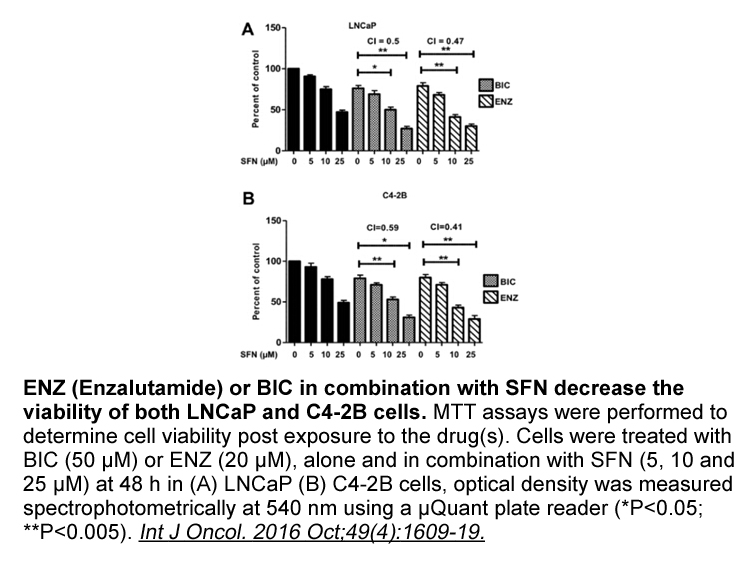
Results Discussion Prostate cancer dissemination and skeletal metastases represent major therapeutic challenges. Once the skeletal metastasis occurs, the incurable patient could just be symptomatically treated to alleviate the pain. Therefore it is of great necessity to disclose the molecular
-
br an anaerobic gram positive spore forming bacterium
2021-02-07
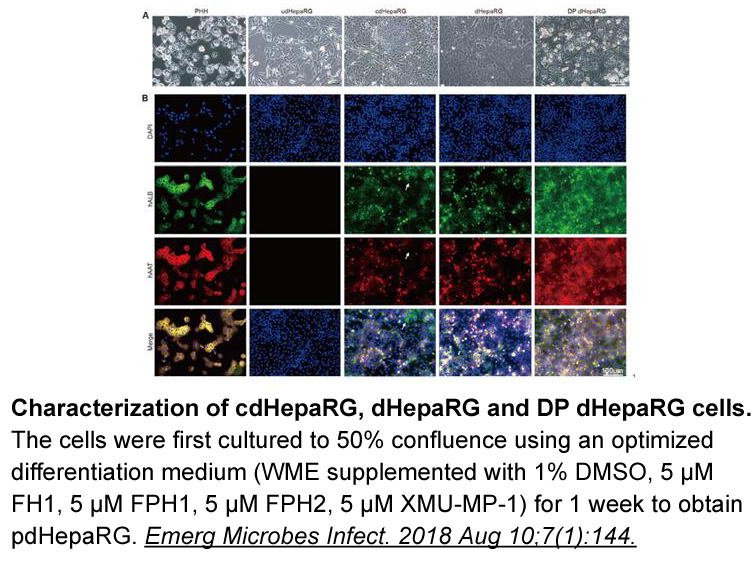
, an (-)-JQ1 gram-positive, spore-forming bacterium that can induce fatal intestinal inflammatory disease, is the most prevalent cause of antibiotic-associated diarrhea and pseudomembranous colitis in nosocomial settings. Two exotoxins, toxin A (TcdA) and toxin B (TcdB), secreted by the bacterium,
-
The absorption rate of polyphenols into the body is usually
2021-02-07
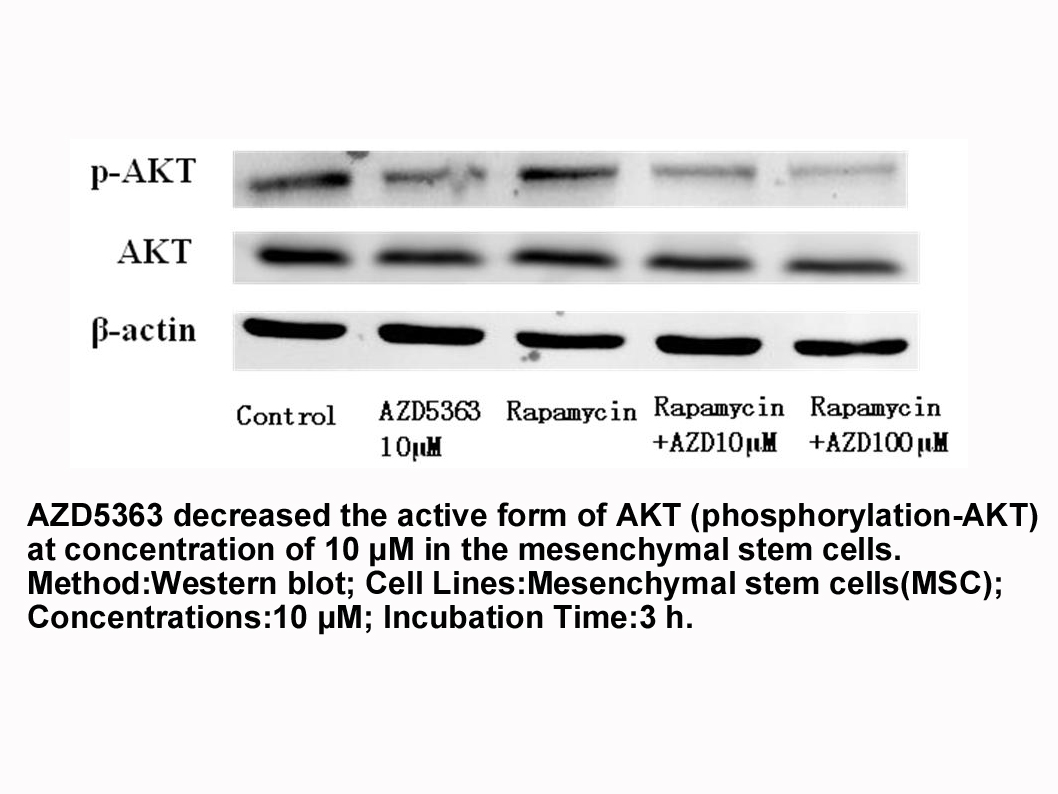
The Gefitinib australia rate of polyphenols into the body is usually low. For example, the absorption rate of epigallocatechin gallate (EGCG), an active component in GP, is approximately 1% (Chen et al., 1997). To increase absorption of GP in the body, people have been increasing their intake of fu
-
Since the aggregation of neurotoxic forms of A
2021-02-05
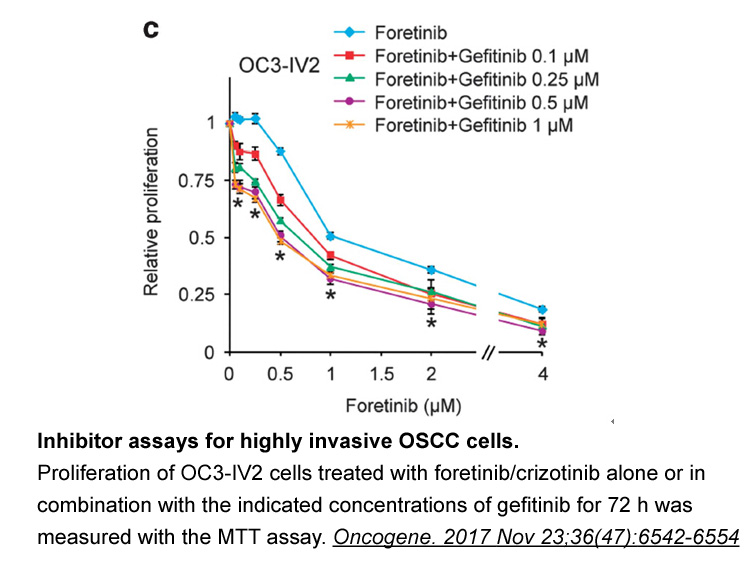
Since the aggregation of neurotoxic forms of Aβ plays a pivotal role in AD pathogenesis, an approach that using small molecules to bind Aβ monomers and prevent their assembly into cytotoxic oligomers attracts great interest for the development of AD drugs. Therefore, the potential inhibitory activit
-
The transcription factor CREB has been extensively
2021-02-05
The transcription factor CREB has been extensively studied for its role in hippocampus-dependent learning and memory (West et al., 2002, Lonze and Ginty, 2002). Previous research has demonstrated that the phosphorylation of CREB at Ser133, performed by the ERK1/2 signaling pathway, initiates a casca
-
More than thirty enzymes with PLA activity have been describ
2021-02-05
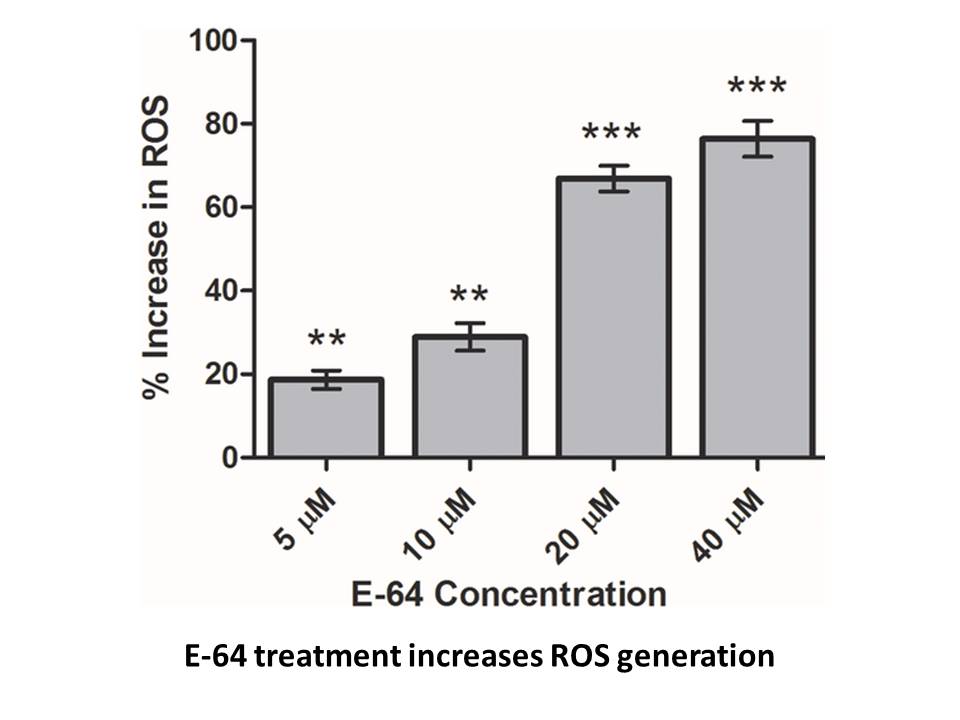
More than thirty enzymes with PLA2 activity have been described and, based on sequence similarities, they are currently classified in 16 groups, each containing several sub-groups [16]. However, based on biochemical features these enzymes are frequently grouped into six major families: secreted phos
-
While agnathans appear to have reduced their Ednr repertoire
2021-02-05
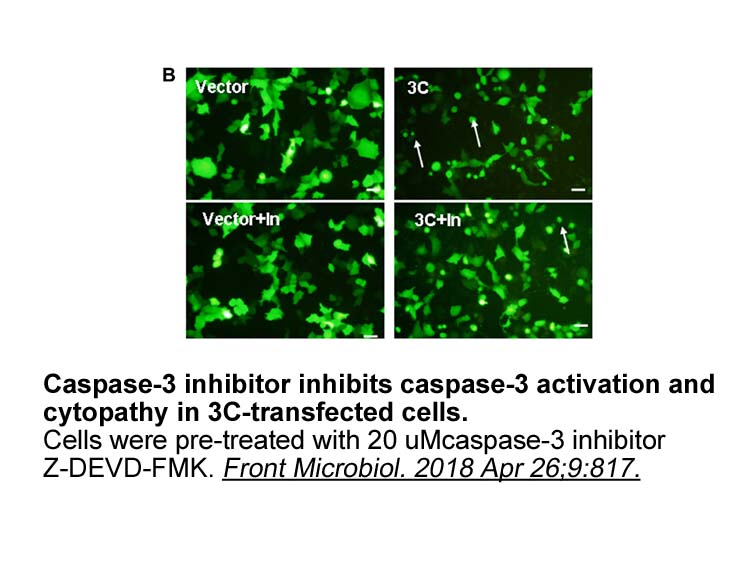
While agnathans appear to have reduced their Ednr repertoire to the Ednra gene (that may have been amplified in the Arctic lamprey), gnathostomes in general have been relatively inert to Ednr gene loss. Strikingly, the only Ednr gene that has been lost repeatedly is EdnrB2 (lost in therian mammals,
-
br Significance Our understanding of the ubiquitin biology
2021-02-04
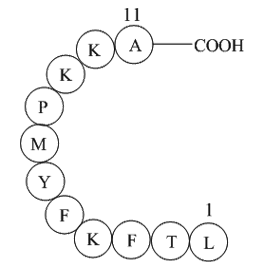
Significance Our understanding of the ubiquitin biology has been rapidly expanding. The role of the ubiquitin system in the pathogenesis of numerous disease states has increased the interest in finding new strategies to pharmacologically interfere with the enzymes responsible of the ubiquitinatio
-
DNA hypomethylation has been found in liver tumor and other
2021-02-04
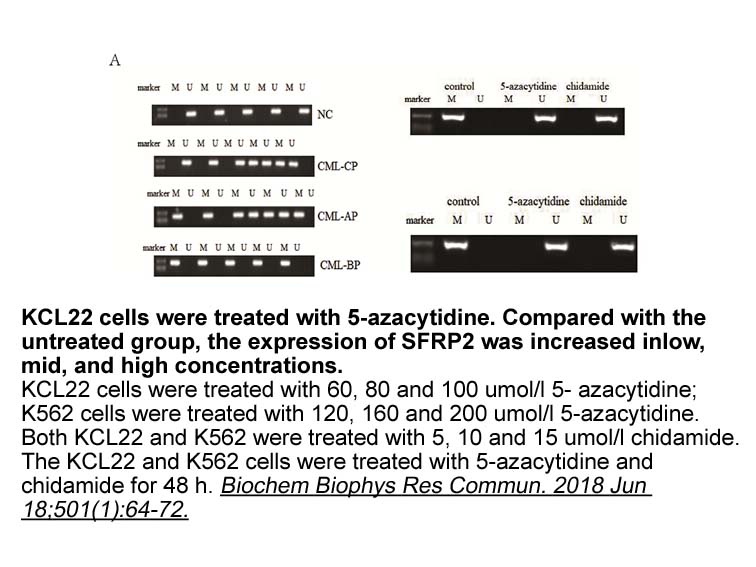
DNA hypomethylation has been found in liver tumor and other tumors of humans, such as laryngeal cancer, 46619 tumors, tongue squamous cell carcinoma and uterine leiomyomas [[20], [21], [22], [23], [24]]. Then, we mainly sought to confirm whether TCA could induce DNA hypomethylation in vitro and the
-
br Material and methods br Results br Discussion Monomeric
2021-02-04
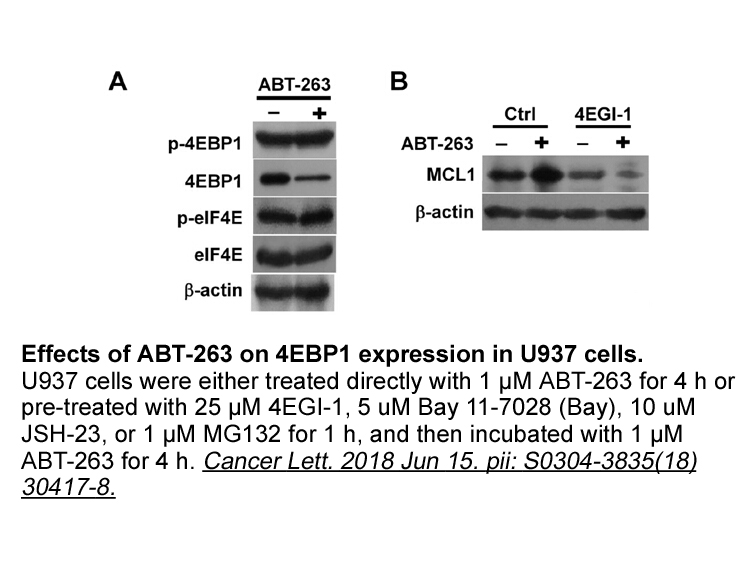
Material and methods Results Discussion Monomeric CDK5 shows no enzymatic activity and requires the association with a regulatory partner for activation (Dhavan and Tsai, 2001). Here, we found that CDK7 might be one of the partners required for activation of CDK5 in the skin tissue, based o
-
In a previous study we reported
2021-02-04
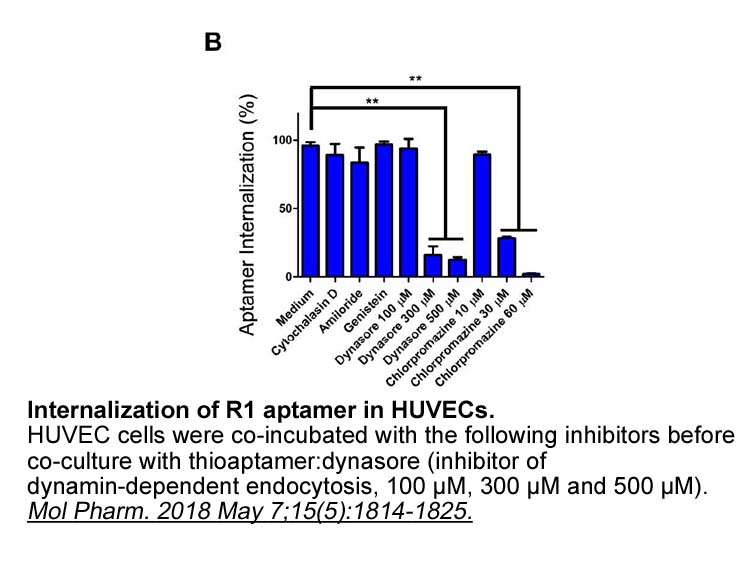
In a previous study we reported that the systemic administration of the α1-adrenergic receptor antagonist prazosin attenuates the deficit in Darifenacin HBr receptor reward function associated with precipitated nicotine withdrawal (Bruijnzeel et al., 2010). One of the aims of the present experiments
-
doripenem synthesis Ten non FH ADH probands fulfilled the di
2021-02-04
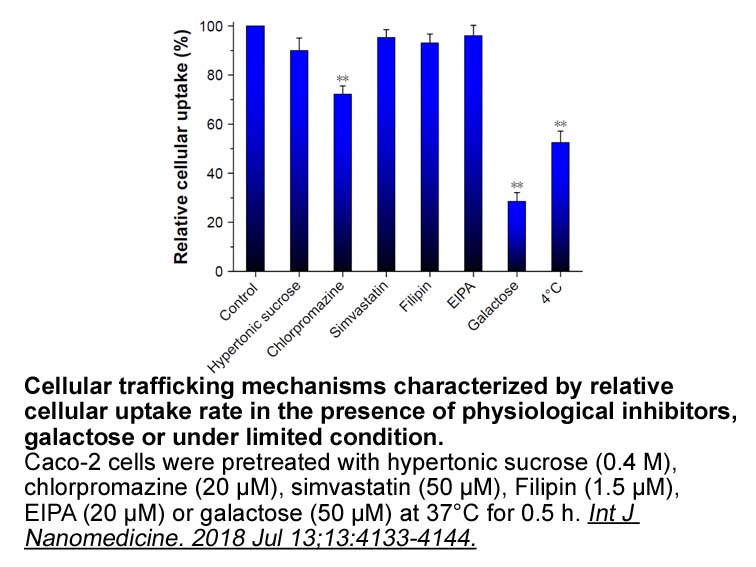
Ten non-FH ADH probands fulfilled the diagnostic criteria of hyperabsorbers. Table 2 shows the main lipid characteristics of these subjects and of 10 non-hyperabsorber probands used for comparison. There were differences between groups in body mass index, waist circumference and triglycerides. Other
16339 records 748/1090 page Previous Next First page 上5页 746747748749750 下5页 Last page