Archives
- 2026-11
- 2026-10
- 2026-09
- 2026-08
- 2026-07
- 2026-06
- 2026-05
- 2026-04
- 2026-03
- 2026-02
- 2026-01
- 2025-12
- 2025-11
- 2025-10
- 2025-09
- 2025-03
- 2025-02
- 2025-01
- 2024-12
- 2024-11
- 2024-10
- 2024-09
- 2024-08
- 2024-07
- 2024-06
- 2024-05
- 2024-04
- 2024-03
- 2024-02
- 2024-01
- 2023-12
- 2023-11
- 2023-10
- 2023-09
- 2023-08
- 2023-07
- 2023-06
- 2023-05
- 2023-04
- 2023-03
- 2023-02
- 2023-01
- 2022-12
- 2022-11
- 2022-10
- 2022-09
- 2022-08
- 2022-07
- 2022-06
- 2022-05
- 2022-04
- 2022-03
- 2022-02
- 2022-01
br Materials and methods br Results Table presents the
2025-01-20
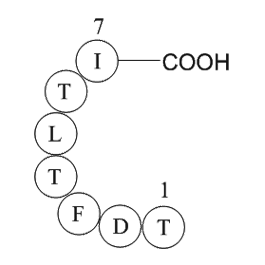
Materials and methods Results Table 1 presents the metabolic phenotype of obese minipigs. After 60 d of HFHS feeding, minipigs not only showed an increased body weight (+45%), but also a perturbed 7ACC1 mg homeostasis, with higher insulin levels (about +2-fold), HOMA-IR (+5.5-fold), and HOMA-
This evidence suggests the strong clinical relevance of the
2025-01-20
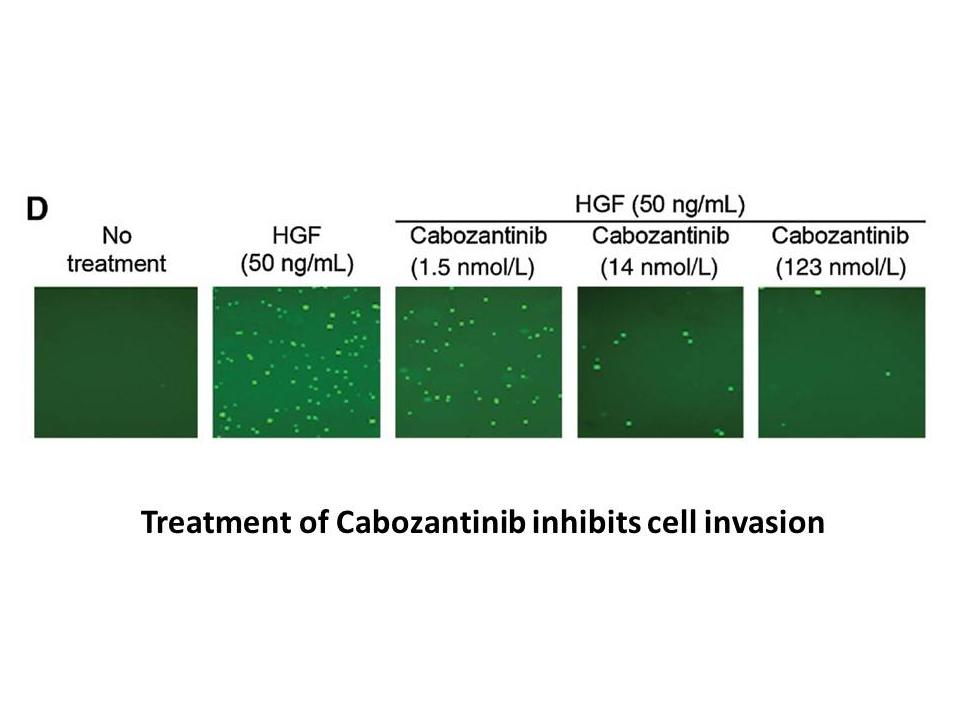
This evidence suggests the strong clinical relevance of the identification of acquired resistance mechanisms for a proper therapeutic decision in patients with ALK-rearranged NSCLC. When the tissue is not available, the analysis of circulating tumor DNA (cfDNA) can be a valid alternative for the det
Aldose reductase ALR EC the first enzyme
2025-01-20
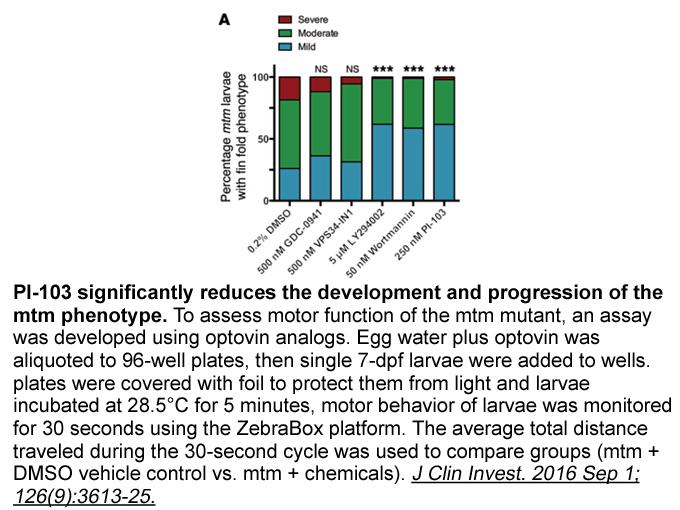
Aldose reductase (ALR2, EC1.1.1.21), the first enzyme in the polyol pathway, is a monomeric oxidoreductase that catalyses the NADPH-dependent reduction of a wide variety of carbonyl compounds, especially glucose. In this metabolism pathway, glucose is firstly reduced to sorbitol catalyzed by ALR2 wi
In summary the different types
2025-01-20

In summary, the different types of interstitial cells found in the current study are illustrated in Fig. 7A (see legend for further details), which is suggestive of a heterogeneous complex network of interstitial cells communicating with each other. The possible signaling pathways involving this int
br Therapeutic advantages and clinical implications of caffe
2025-01-20
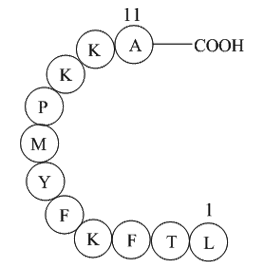
Therapeutic advantages and clinical implications of caffeine treatment in ROP The demonstration of the role of the adenosine receptor in development of ROP and protection by caffeine suggests two potential therapeutic strategies with high translational potential: a) modification of caffeine treat
Altogether the situations described above clearly impede the
2025-01-18
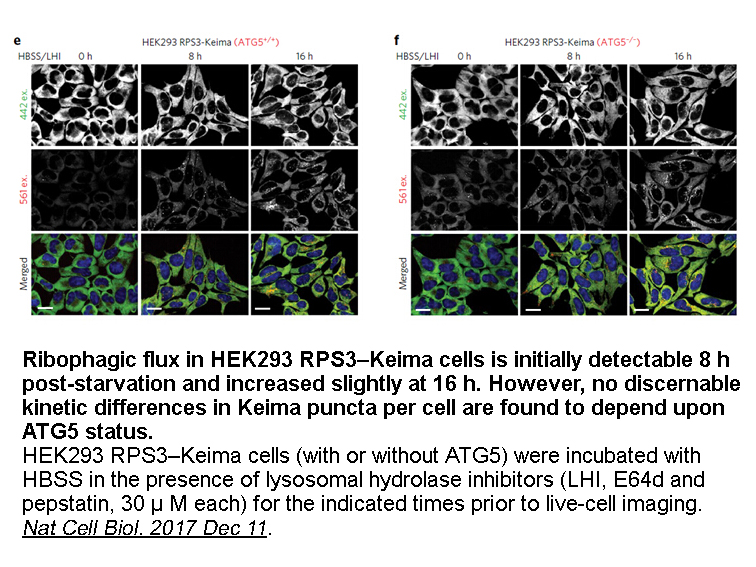
Altogether, the situations described above clearly impede the critical steps of drug discovery and development and the scientific process in general [14]. In conclusion, it is the opinion of these authors that many exciting lines of drug discovery (which includes those devoted to nAChR ligands) have
The gene SRD A encodes the
2025-01-18
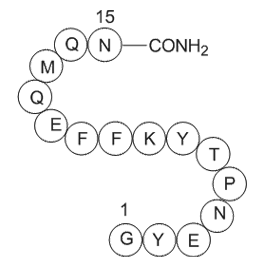
The gene SRD5A2 encodes the 5-α-reductase enzyme, which converts testosterone into dihydrotestosterone. Although dihydrotestosterone levels are considerably lower than testosterone, dihydrotestosterone has a five-fold stronger binding capacity to the androgen receptor and, thereby, a considerably mo
br Autophagy in cancer br Phytochemicals as a valuable
2025-01-18
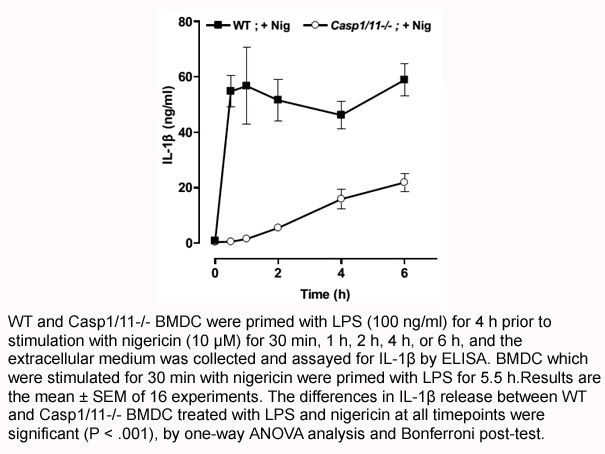
Autophagy in cancer Phytochemicals as a valuable source of autophagy modulation agents Epidemiological studies demonstrated that there is a strong association between diet and human cancer mortality so that daily consumption of phytochemicals declines the incidence of different types of cancer
The link between HPV infection and neoplasia has been
2025-01-18
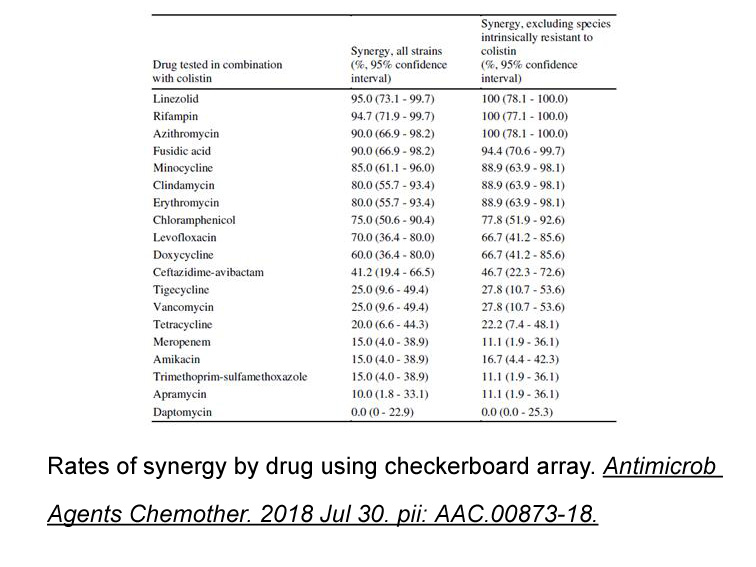
The link between HPV infection and neoplasia has been well established. HPV encodes two oncogenes (E6 and E7) that drive RSL3 progression by controlling the functions of tumor suppressor proteins p53 and Rb [7]. HPV is associated with more than 99% of cervical CESC cases [8]. CESC remains a major p
Aurora kinases are a conserved family
2025-01-18
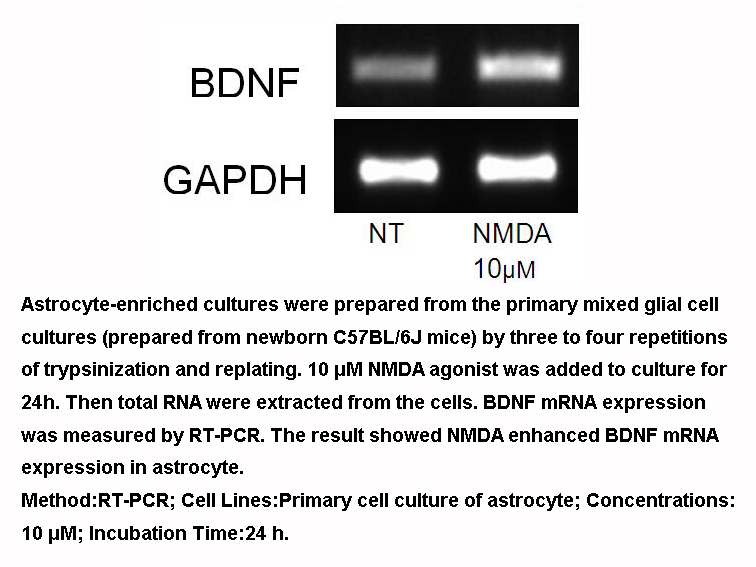
Aurora kinases are a conserved family of serine/threonine kinases that are important for the transition through mitosis and amplification and overexpression of Aurora kinases have been implicated in endothelin receptor antagonists and transformation. Aurora B is located at the centromere and contro
The LOX hydroxide metabolites are converted to secondary lip
2025-01-18
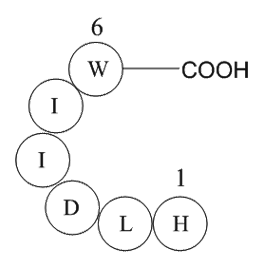
The 15-LOX hydroxide metabolites are converted to secondary lipid mediators such as lipoxin A4 from 15-HETE and protectin D1/resolvin D1 from 17-HDoHE [45] (Fig. S3). Importantly, all of these secondary lipid mediators have anti-inflammatory and pro-resolving properties [46], [47], [48]. Lipoxin A4
br Acknowledgements M M M is the William Dow Lovett
2025-01-18
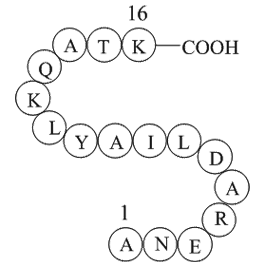
Acknowledgements M.M.M. is the William Dow Lovett Professor of Neurology and is supported by grants from the Michael J. Fox Foundation for Parkinson's Research, the American Parkinson Disease Association, the New Jersey Health Foundation/Nicholson Foundation, and by the National Institutes of Hea
The relationship between the apelinergic and opioid systems
2025-01-18
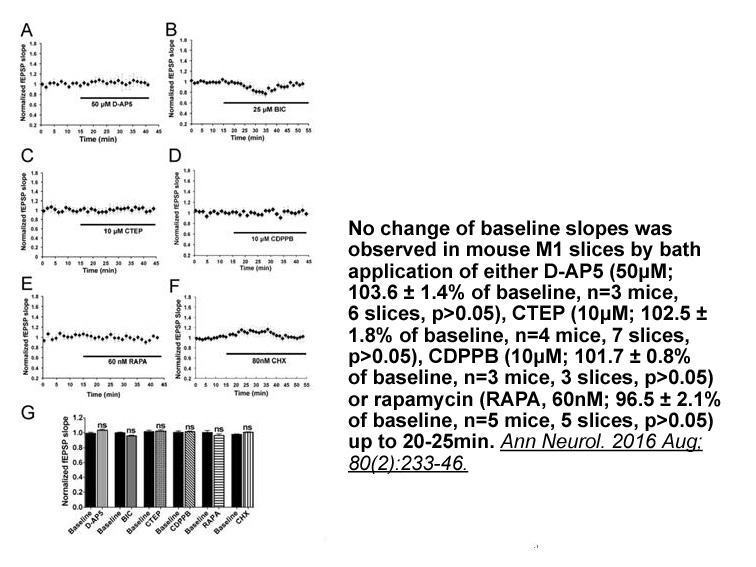
The relationship between the apelinergic and opioid systems has been previously reported (Lv et al., 2011, Yang et al., 2010). Lv and colleagues showed that naloxone has a suppressive effect on apelin-induced depression-like behavior in mice (Lv et al., 2012a). Furthermore, heterodimerization of GPC
Therefore VEGF and its receptors are expressed in
2025-01-18
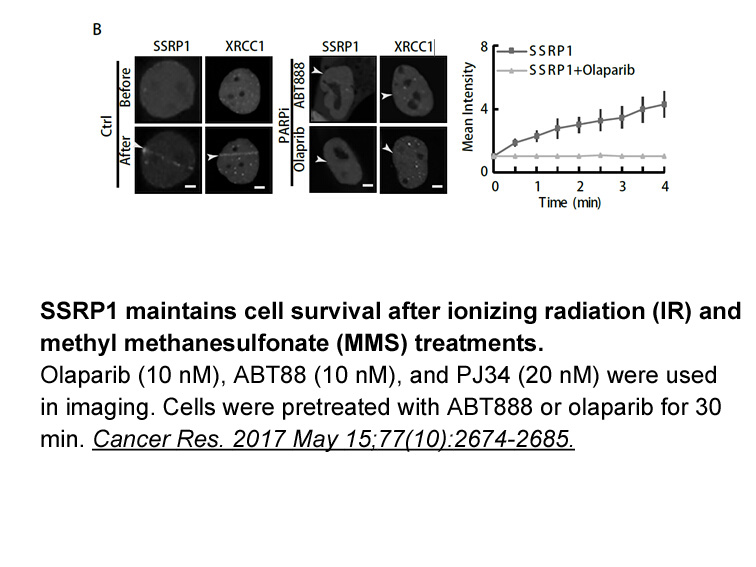
Therefore, VEGF and its receptors are expressed in different organs, including the kidneys, the liver and the Iberiotoxin mg [55]. In the human placenta, VEGF is mainly synthesized by cytotrophoblast and Hofbauer cells early in the first trimester, whereas Flk-1 and Flt-1 receptors are expressed th
In our sequential model for tau
2025-01-18
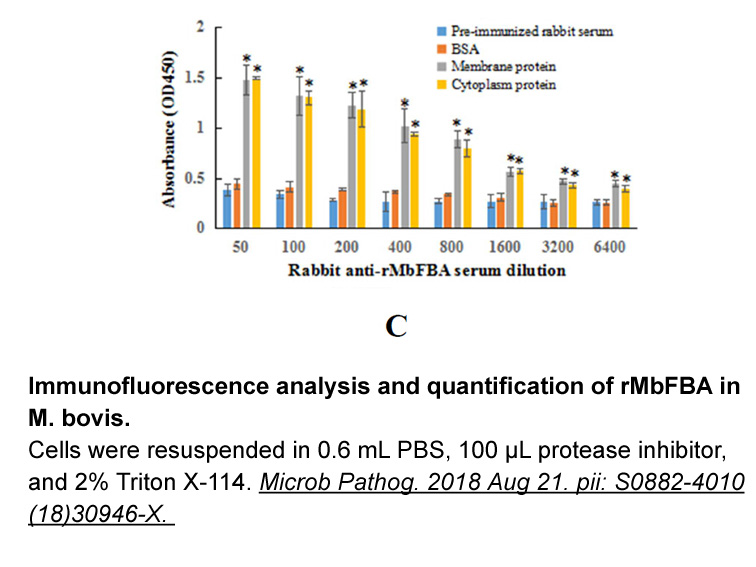
In our sequential model for tau and Aβ deposition, we included the tau deposition in the medial temporal pNA chromogenic assay in the absence of Aβ deposition, which is a pathological definition of primary age-related tauopathy (PART). Although the tau pathologies in PART and AD are almost identical
8541 records 62/570 page Previous Next First page 上5页 6162636465 下5页 Last page