Archives
- 2026-09
- 2026-08
- 2026-07
- 2026-06
- 2026-05
- 2026-04
- 2026-03
- 2026-02
- 2026-01
- 2025-12
- 2025-11
- 2025-10
- 2025-09
- 2025-03
- 2025-02
- 2025-01
- 2024-12
- 2024-11
- 2024-10
- 2024-09
- 2024-08
- 2024-07
- 2024-06
- 2024-05
- 2024-04
- 2024-03
- 2024-02
- 2024-01
- 2023-12
- 2023-11
- 2023-10
- 2023-09
- 2023-08
- 2023-07
- 2023-06
- 2023-05
- 2023-04
- 2023-03
- 2023-02
- 2023-01
- 2022-12
- 2022-11
- 2022-10
- 2022-09
- 2022-08
- 2022-07
- 2022-06
- 2022-05
- 2022-04
- 2022-03
- 2022-02
- 2022-01
-
br Conflict of interest br Acknowledgement br Exposure
2022-06-05
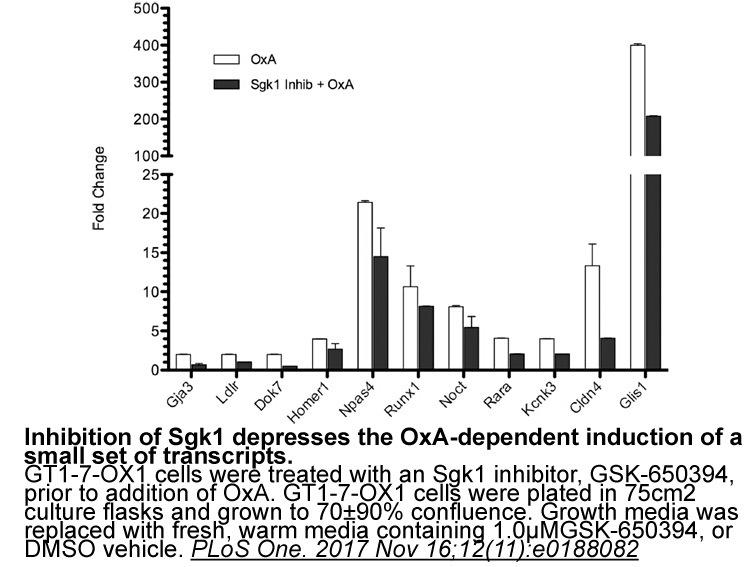
Conflict of interest Acknowledgement Exposure to tobacco smoke in early life has been found to increase the risk of developing asthma and lung function deficits in adolescence and adulthood., , , , However, not all children exposed to tobacco smoke in early life develop asthma, which sugges
-
G protein coupled receptor GPCR ligands can
2022-06-05
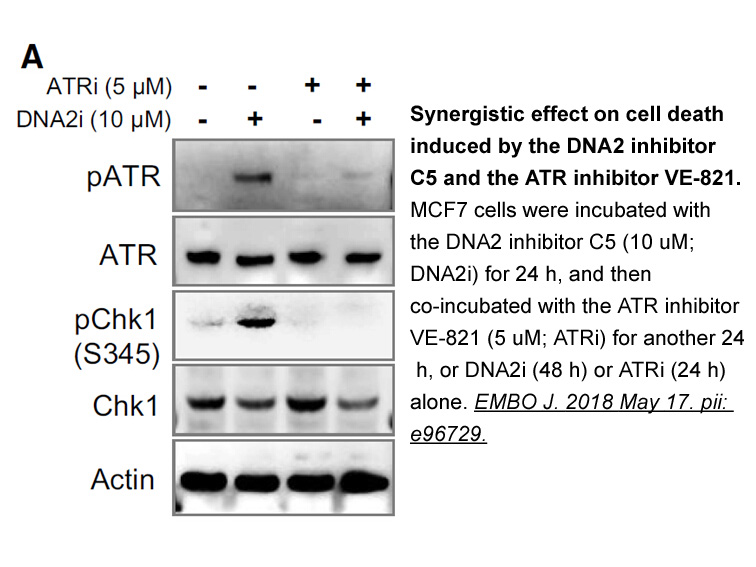
G-protein-coupled receptor (GPCR) ligands can be classified as either orthosteric or allosteric modulators. Orthosteric and endogenous ligands bind to the same site, which is topologically distinct from the allosteric site. In general, the binding domains of different orthosteric ligands may not exa
-
In summary activated A AR exacerbated the
2022-06-05
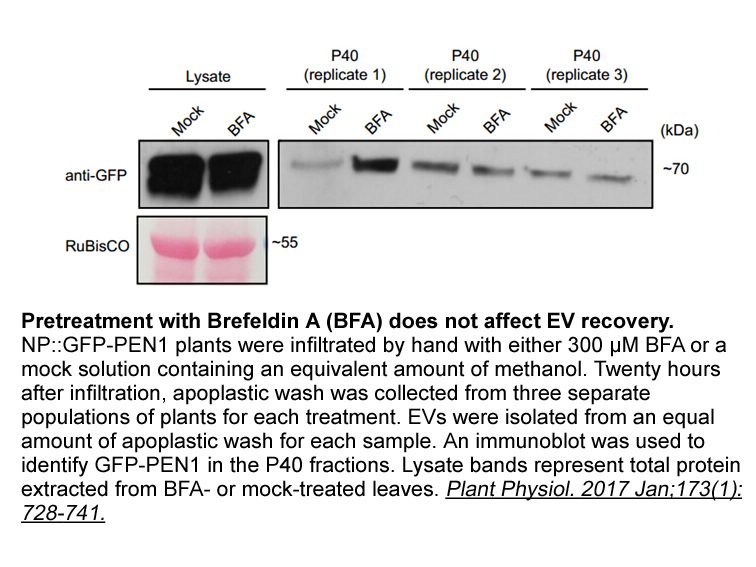
In summary, activated A2AR exacerbated the reverse transport function of endothelial EAATs through a direct or indirect pathway depending on PKA and glutamate levels in response to OGD in vitro, but A2AR inhibition quickly restored the normal transport function. Moreover, the key mechanisms by which
-
In general fish has a limited ability for
2022-06-05

In general, fish has a limited ability for digestion and metabolism of carbohydrate though carbohydrate is the cheapest dietary energy and carbon source to animals and the best candidate for replacing dietary protein (Enes et al., 2009, Kamalam et al., 2017, Wilson, 1994). Furthermore, the analysis
-
There is a dual inducer of both galanin and super
2022-06-05
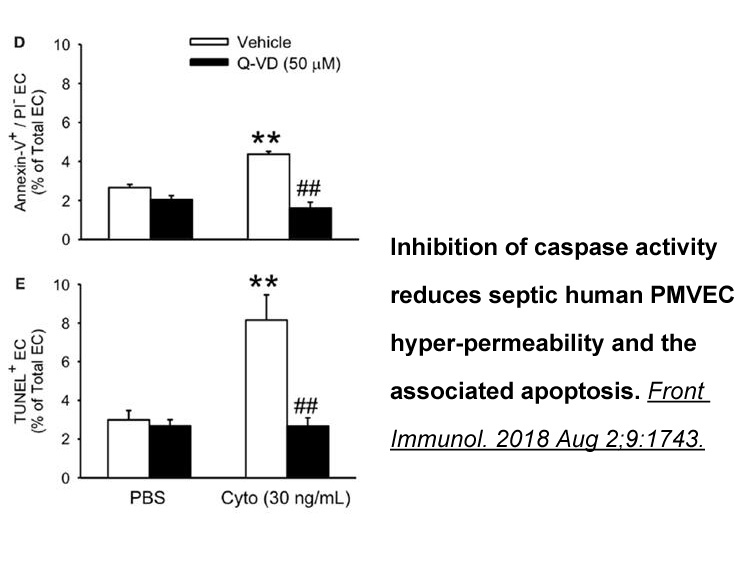
There is a dual inducer of both galanin and super-threshold pain. First, injury-induced pain may stimulate galanin secretion. After peripheral nerve injury, the galanin expression level was upregulated in dorsal root ganglion (DRG), dorsal horn and hypothalamic arcuate of rats [25], [28], [33]. The
-
A way to identify what subunit interfaces contribute
2022-06-05
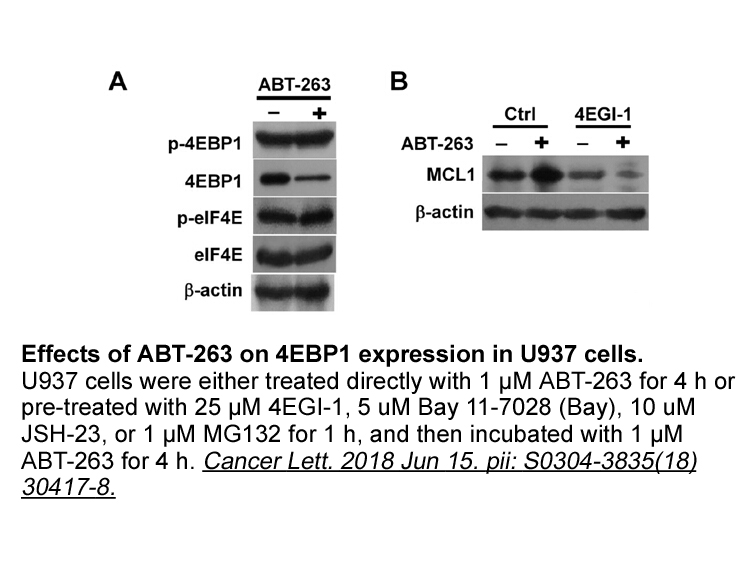
A way to identify what subunit interfaces contribute to the pharmacology of agents is to utilise binary GABAARs as tool receptors to ascertain possible binding sites for particular ligands. These receptors can help identify subunits and subunit interfaces that contribute to receptor pharmacology. In
-
To investigate an involvement of
2022-06-02
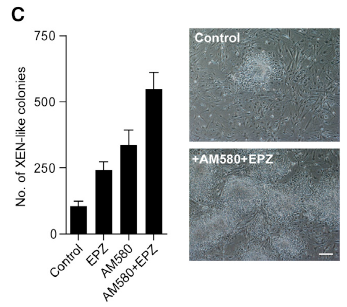
To investigate an involvement of GPR120 and GPR40 in the enhancement of cell motile activity of MG-63 cells, highly migratory (MG63-R7) Nemonapride receptor were established from MG-63 cells (Fig. 2A). The expression level of GPR120 gene was significantly higher in MG63-R7 cells than in MG-63 cells
-
Trifluoromethyl ketones and fluorophosphates were the first
2022-06-02
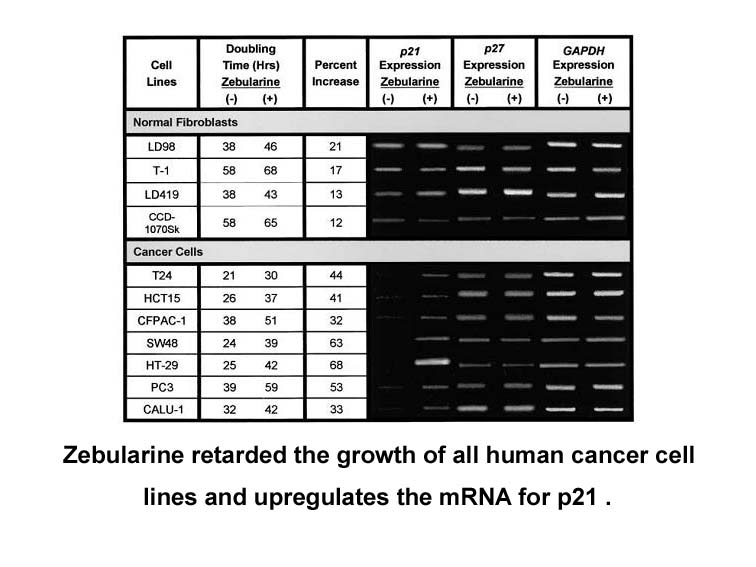
Trifluoromethyl ketones and fluorophosphates were the first generation FAAH inhibitors identified. They showed good in vitro FAAH inhibition potency, but most of them exhibited poor selectivity for FAAH over other serine hydrolases (such as the triacylglycerol hydrolase and the membrane-associated h
-
It has been demonstrated that RA regulates
2022-06-02
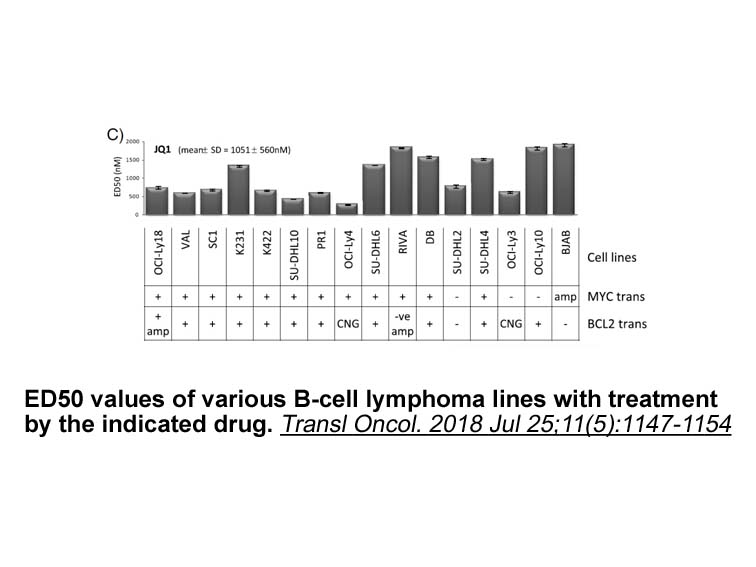
It has been demonstrated that RA regulates gene chembridge through an epigenetic mechanism during stem cell and cancer cell differentiation. In neuroblastoma cells, RA induced neural maturation through RET gene transcriptional activation by increasing H3K4me3 levels at the promoter region and demet
-
The translational relevance of our findings remains uncertai
2022-06-02
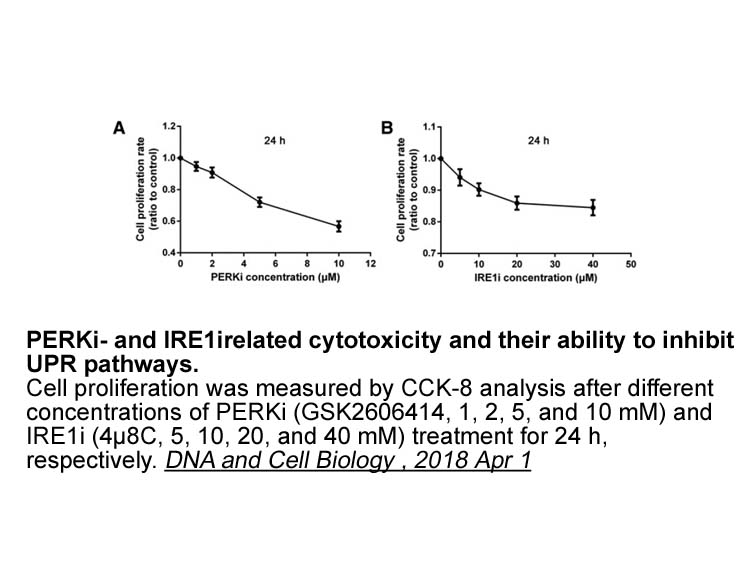
The translational relevance of our findings remains uncertain at this point. On the one hand, there have been reports to suggest that boosting KDM4 activity may engender beneficial effects in vivo. For instance, Li et al. have show that KDM4 interacts with β-catenin to mediate Wnt signaling in hepat
-
br S proteins and HBV induced autophagy HBV
2022-06-02
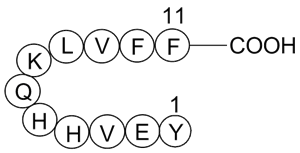
S proteins and HBV-induced autophagy HBV surface proteins (S proteins or HBs) are reported to trigger HBV-induced autophagy by inducing ER stress and UPR in host keap1-nrf2 pathway [22]. HBx and HBV-induced autophagy HBx is a multifunctional viral protein. It can regulate virus replication,
-
Another interesting approach is to use
2022-06-02
Another interesting approach is to use partial agonists as starting point to develop specific antagonists like done in earlier decades [64], [65]. Possible indications for an attenuation of the NO/sGC signalling pathway might be specific neuronal disorders: an involvement in the aetiology of migrain
-
br Disclosure statement br Introduction
2022-06-02
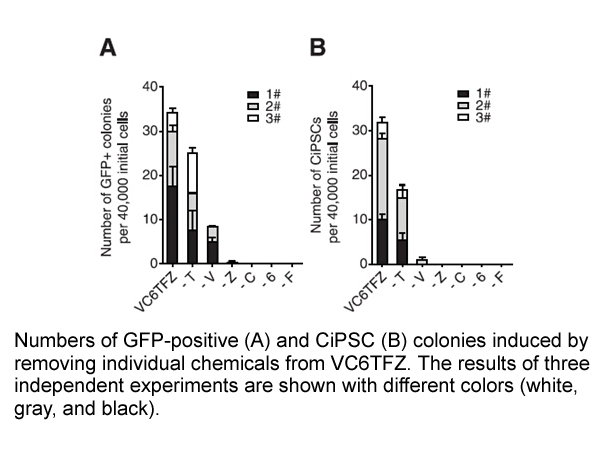
Disclosure statement Introduction 1-Nitro-2-phenylethane is the first nitro compound isolated from plants [1]. It is a volatile compound found in the essential oil of various species, and its presence provides a pleasant odor that resembles the cinnamon scent [2]. The biogenesis of 1-nitro-2-p
-
Initial structural and biochemical work showed
2022-06-02
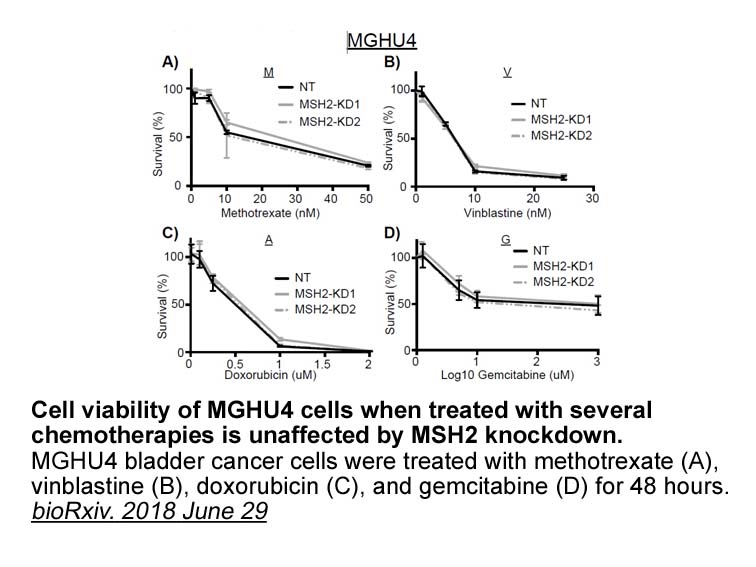
Initial structural and biochemical work showed that Get3 forms an obligate dimer whose conformation is regulated by the bound nucleotide. Analogous to SRP and SR, Get3 contains a P-loop nucleotide hydrolase domain in which the bound ATPs face one another at the dimer interface (Figure 3A, top right
-
Two different genes encode GSK
2022-06-02
Two different genes encode GSK-3 isoforms α and β that have very similar catalytic domains but significantly differ in their N- and C-termini. The α and β isoforms split from a common precursor approximately at the emergence of vertebrates, suggesting that at least one of the isoforms took on a new
8453 records 473/564 page Previous Next First page 上5页 471472473474475 下5页 Last page